Brijuni Safari Park: What You See On The Landing Tour
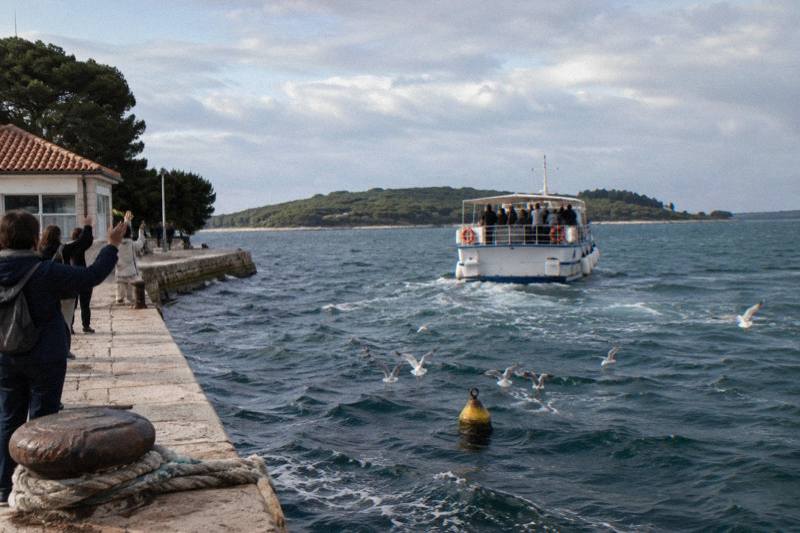
The Safari Park covers about 9 hectares at the north end of Veliki Brijun and is the single biggest reason to pick a landing trip over a cruise. Only four of the trips here go ashore, and each reaches the animals differently.
Short answer
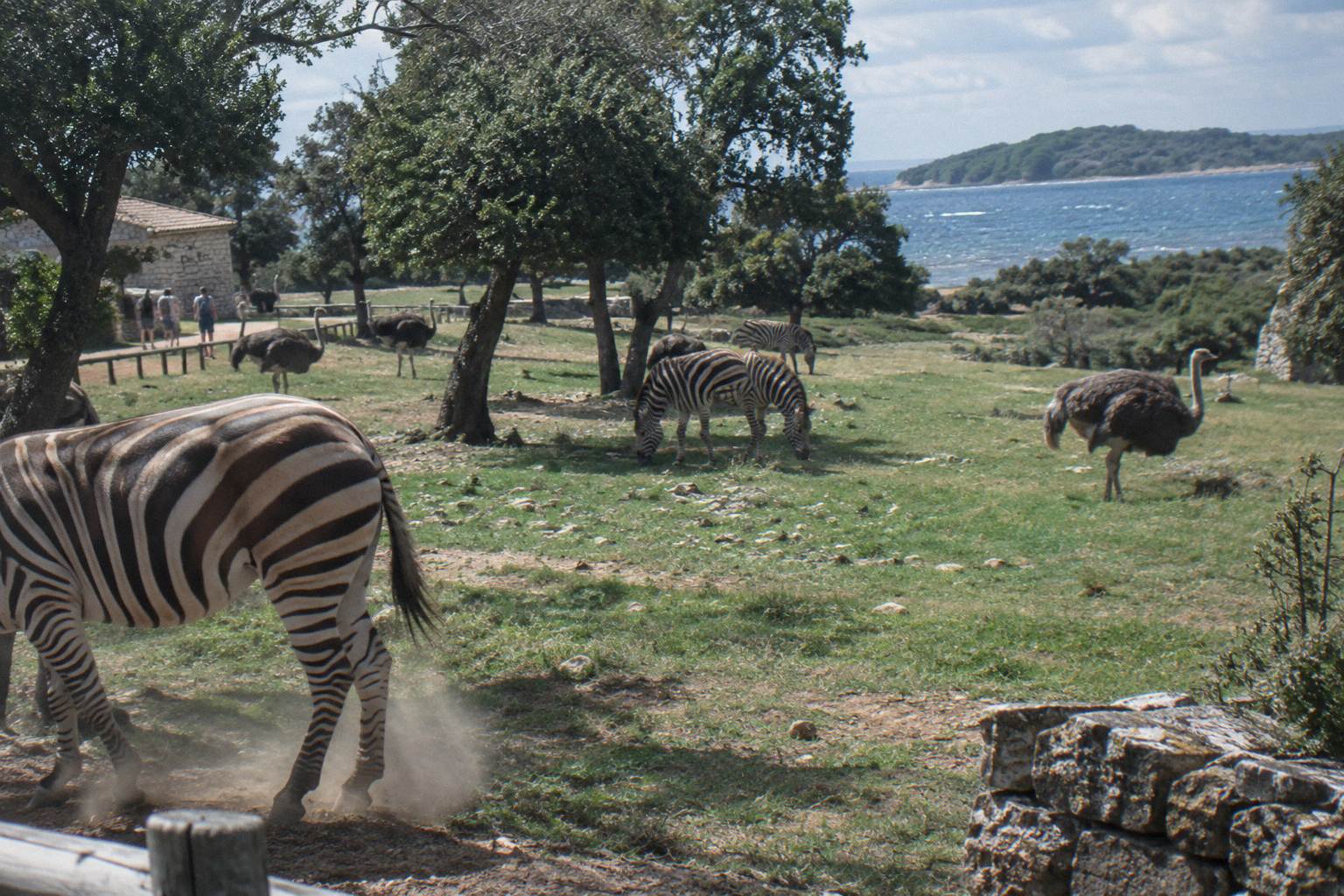
The Safari Park on Veliki Brijun is about 9 hectares at the island's north end, home to around 80 herbivores, mainly from Africa and Asia, plus an ethno park of Istrian sheep, donkeys and goats. It is just over 3 km from the port, reached by tourist train, and only the four landing trips can bring you to it.
Brijuni National Park covers 14 islands and islets off the west coast of Istria, a total area of 3,395 hectares of which 2,651.7 hectares is sea, and almost everything visitors associate with the name sits on the largest island, Veliki Brijun. The Safari Park is the part most families come for. The park's own site describes it as about 9 hectares at the north end of the island, holding around 80 herbivores, mainly from Africa and Asia, alongside native species. Every zebra, zebu and ostrich there lives a short train ride from the harbour, but only a handful of the boat trips sold from Pula and Fažana ever put a visitor on the island at all. Most circle the archipelago, stop at Sv. Jerolim for a swim, or watch the sunset with a drink in hand, and the animals stay a rumour on the far shore. Brijuni National Park Tours compares the full range of ways out to the islands, from glass-bottom panorama boats to full-day road trips.
What Is The Brijuni Safari Park?
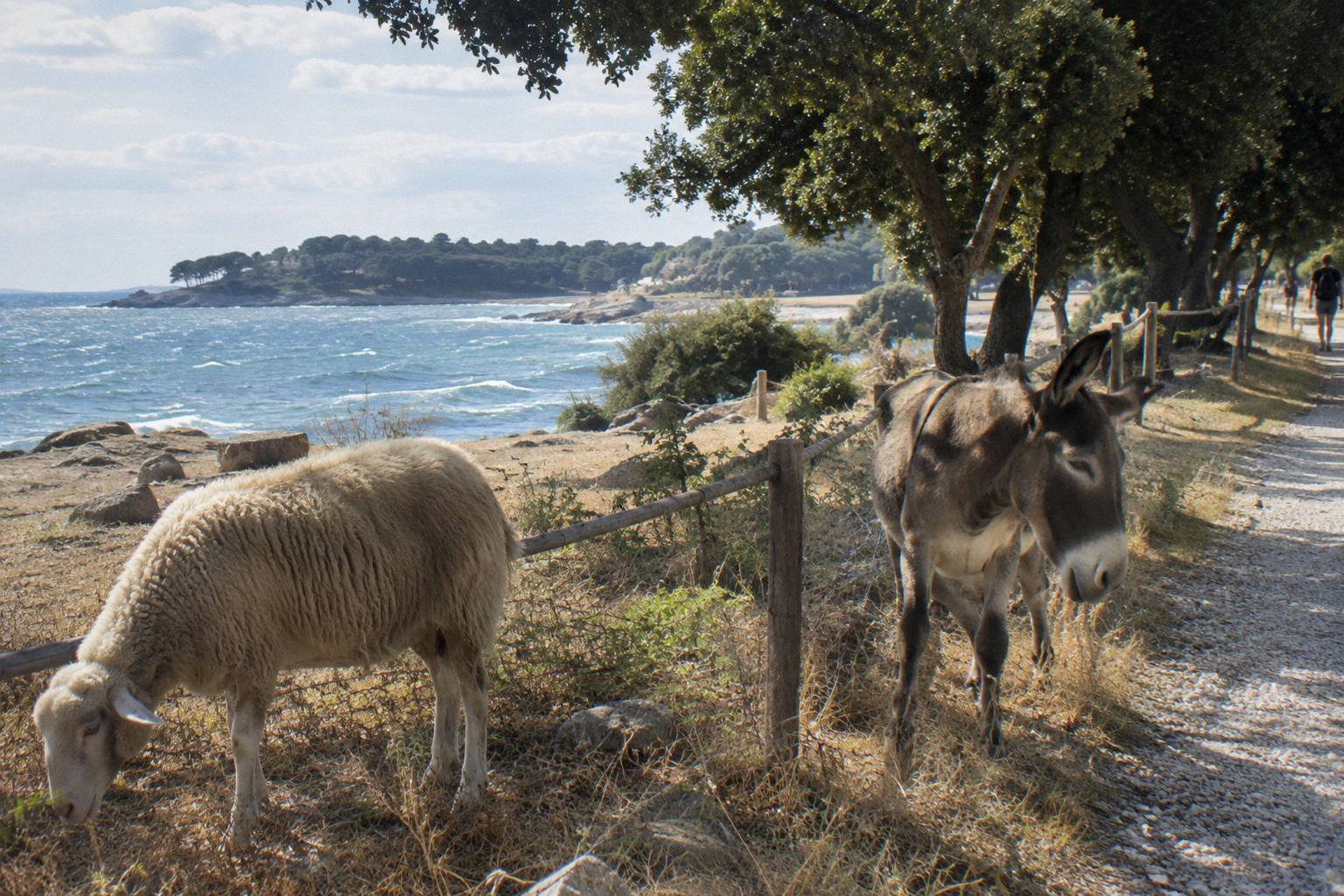
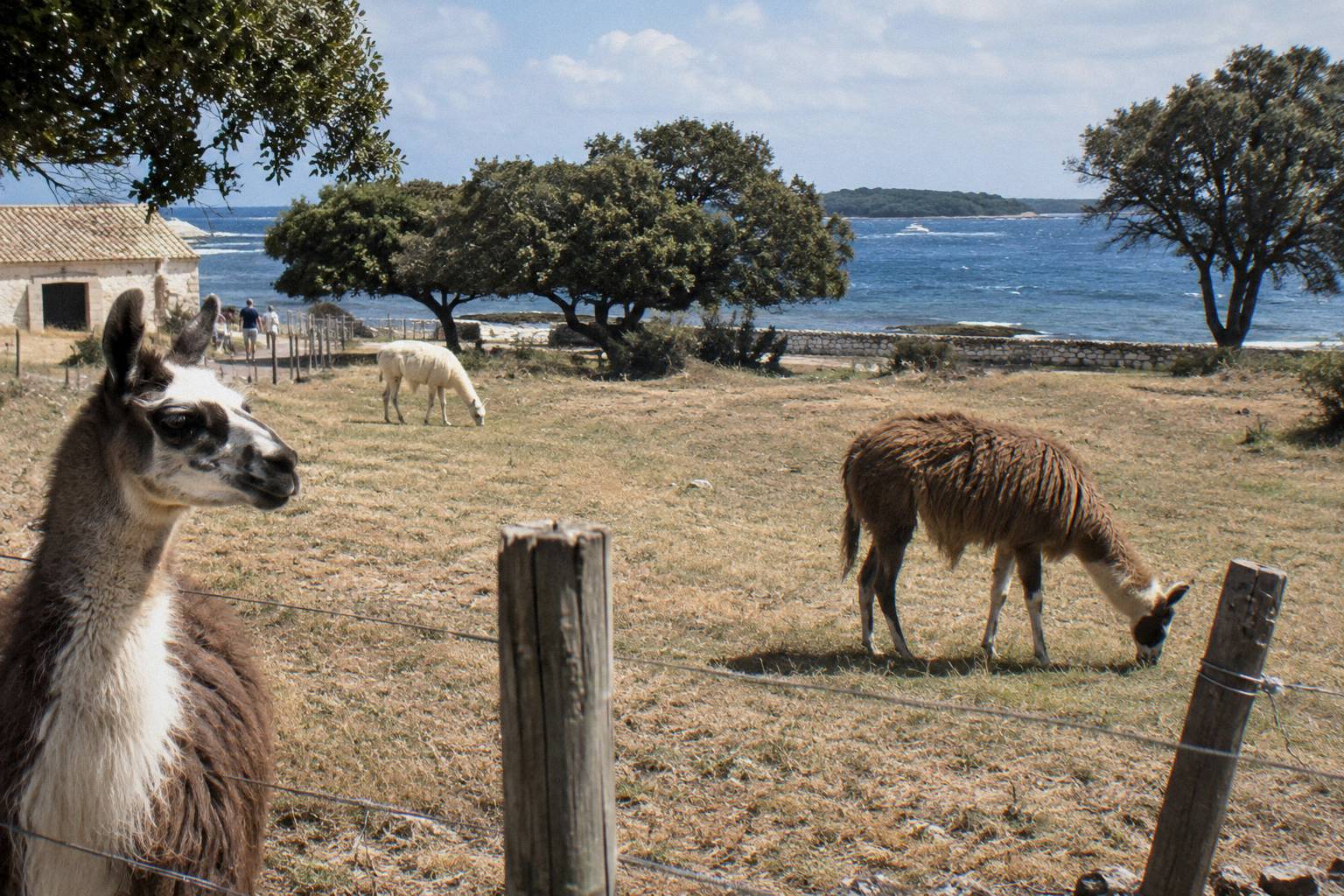
The park's description is specific and worth reading before booking anything. The Safari Park holds around 80 herbivorous animals, a mix drawn mainly from Africa and Asia together with breeds native to Istria and Croatia. On a walk through it you can expect to pass llamas, zebras, zebu (the Indian sacred cows), ostriches and peacocks, and at the far side an ethno park with Istrian sheep, donkeys and goats that preserves the look of a traditional island farm. The whole enclosure covers roughly 9 hectares at the northern tip of the island, per the park's own Safari Park page, which is also the source for the animal figures.
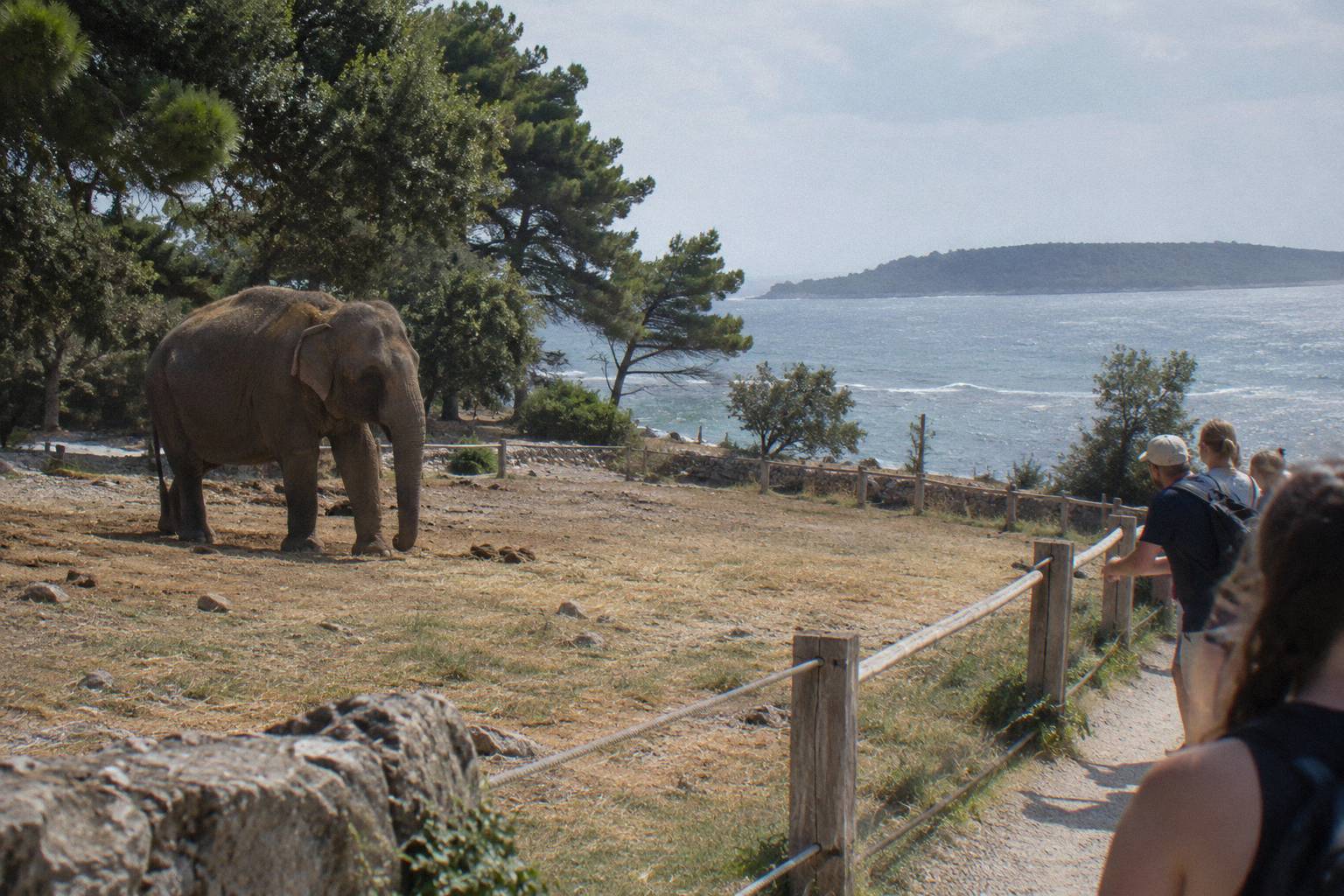
The resident that gets most of the attention is Lanka, the Indian elephant. She arrived in 1972 as a gift from Indira Gandhi, the Indian Prime Minister of the day, and has been the park's best-known inhabitant ever since. Her story ties the Safari Park to the strangest layer of Brijuni's history: these were the private islands of Yugoslavia's president, Josip Broz Tito, who first visited in 1947 and made the White Villa his official residence in 1953, and the animals collected during those decades are the ancestors of much of what roams the park today. More on the Tito years, the White Villa and the photographic exhibition of his state visits is in what the Tito exhibition on the island shows.
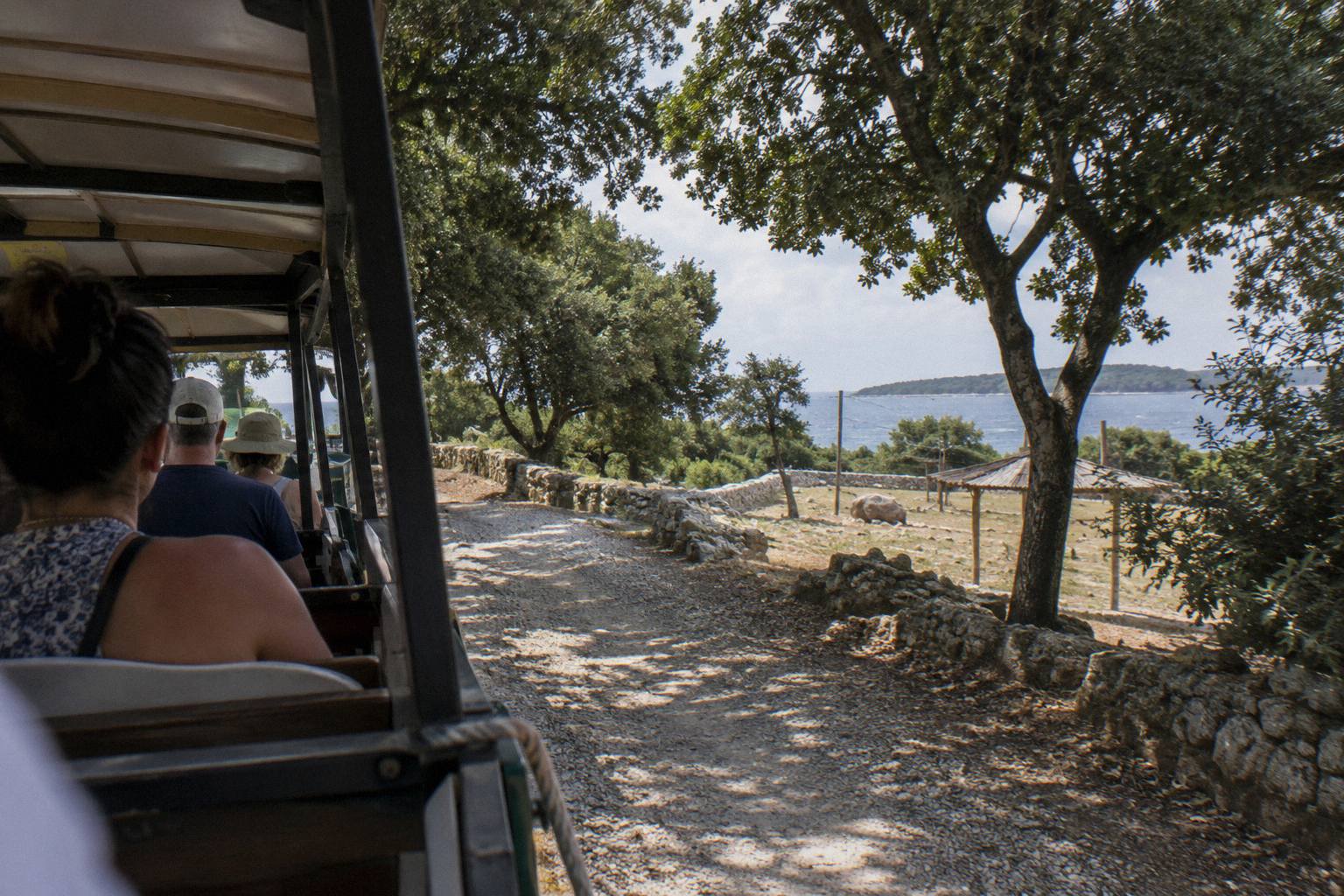
Distance matters more here than most visitors expect. The park states the Safari Park is just over 3 km from the port of Veliki Brijun, so it is not something you stroll past after stepping off the boat. The park's own excursion bridges that distance with a one-hour tourist train ride, and independent visitors cover it on foot, by rented bicycle or by electric car with the Pocket Guide app. However you move, the animals sit at the far end of the island from the ferry jetty, and that single fact decides how much time a landing day really needs.
One more park rule shapes every visit. Animals must not be fed in the park, and wardens may ask to see tickets and identity documents anywhere on the island. The no-feeding rule is not a suggestion; it is printed on the park's own materials and it applies from the ostrich pens to the donkeys in the ethno park.
Which Trips Actually Reach The Safari Park?
Of the twenty-five trips covered here, only four go ashore on Veliki Brijun at all: Kayak, Full-Day Ticket (from €75 per person), Boat And Island Train Combo (from €150 per person), Day Trip From Zagreb (from €255 per person) and Day Tour From Rijeka (check the booking page for the price). Every sunset cruise, swim cruise and private boat stays on the water or stops elsewhere.
This is the part most visitors get wrong, and it is worth being blunt about it. A sunset cruise that circles all 14 islands shows you Veliki Brijun from the sea, and it never docks there. A cruise that stops at Sv. Jerolim puts you on a lovely swimming islet, and Sv. Jerolim is not Veliki Brijun: there are no zebras, no train and no museums on it. A cruise that pauses at the Fažana waterfront puts you back on the mainland. Two Pula trips, Island Stop, Lunch Included and Island Ticket Included, include an island ticket and an island visit; the booking page shows which island, so nothing more specific can be said for them here.
The four landing trips differ in almost everything except the shore they reach. The table below sets out the essentials: where each starts, what it costs from, how long it runs, and the one detail that changes the day, whether the park ticket is included or bought separately.
| Trip | Departs | Price | Duration | Safari Park access |
|---|---|---|---|---|
| Kayak, Full-Day Ticket | Fažana | from €75 per person | 3 hours 30 minutes | Full-day park ticket and return ferry included; explore ashore after the paddle |
| Boat And Island Train Combo | Fažana | from €150 per person | 4 to 6 hours | Lands by scenic tourist train; park ticket bought on the island |
| Day Trip From Zagreb | Zagreb | from €255 per person | 12 hours | Entrance tickets included; walking tour or panoramic train |
| Day Tour From Rijeka | Rijeka | check the booking page for the price | 11 hours | Tourist train, Safari Park and St. German's church listed; entrance ticket excluded |
The choice between them is mostly a question of where you wake up. From Fažana, the kayak trip and the train combo cover a morning or a full day without a long drive. From Zagreb or Rijeka, the day stretches to 11 or 12 hours and the island is the centrepiece of a round trip by road and boat. A wider comparison of every departure point, including the Pula Riva trips that stay on the water, sits in where Brijuni trips leave from.
There is a fifth way to reach the animals that is not a trip sold through any operator here: the park's own excursion from Fažana. It leaves from the jetty in the centre of Fažana, where the park office stands at Brionska 10 next to the main pier, and the boat ride takes about 15 minutes. The excursion lasts about 3.5 hours with guides in Croatian, Italian, German, Russian and English, and includes the return boat, a guide, a one-hour tourist train ride, the Safari Park and the permanent museum exhibitions. Its tickets are timed, so entering earlier or later than the time printed is not possible, and they cannot be exchanged or refunded, per the park's own visitor questions page. What that ticket costs, and what the money covers, is broken down in the park ticket price and what it includes.
Kayak, Full-Day Ticket: Paddle Out, Then Explore Ashore
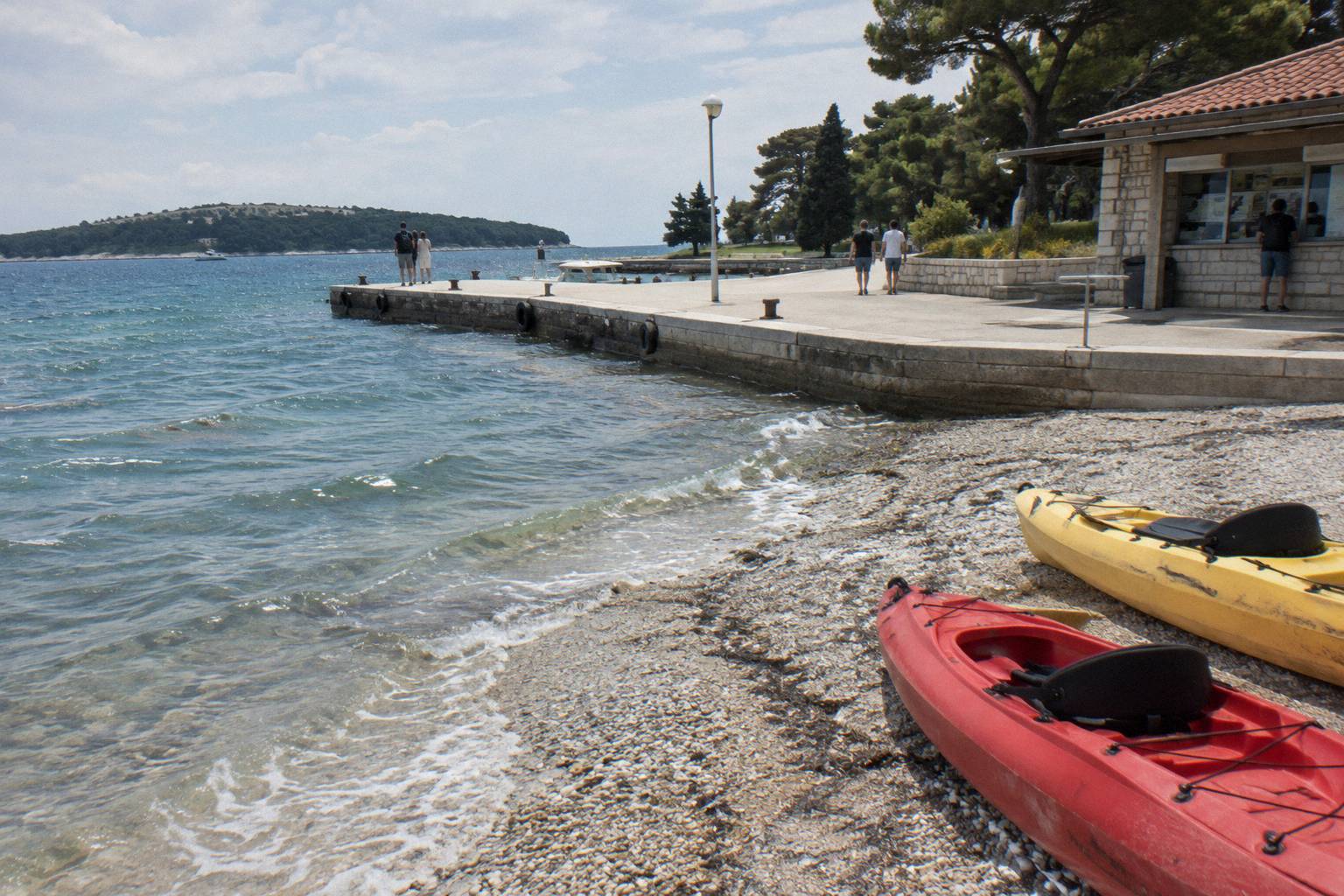
Kayak, Full-Day Ticket runs from €75 per person for 3 hours 30 minutes and is the only trip here that pairs a guided paddle with a full-day park ticket and the return ferry from Fažana to Brijuni and back. It lands on Veliki Brijun, paddles past Fort Minor, and leaves the rest of the day open, which is what makes the Safari Park reachable at your own pace.
The mechanics suit a visitor who wants both the water and the island. The guided sea kayak tour departs Fažana with a certified local guide, high-quality kayaks and paddles, life jackets, a dry bag and snorkelling equipment; the route passes Fort Minor on Mali Brijun, the Austro-Hungarian fortification on the second largest island. Once ashore on Veliki Brijun, the included full-day entrance ticket and the round-trip ferry ticket mean the island, the Safari Park included, is open until the last boat back. Meals and drinks are not included, so bring your own snacks and water, along with towels, swimwear and sun protection.
The kayak trip from Fažana pairs a guided paddle with a full-day Veliki Brijun ticket and the return ferry, which leaves the Safari Park and the rest of the island open for the whole day after the paddle; free cancellation applies up to 24 hours before the start, and you can check availability for your dates.
One planning note follows from the geography. The tour itself runs 3 hours 30 minutes, but the ticket is a full-day one: the guided portion ends and the island day continues. Visitors who want the Safari Park should treat the afternoon as the main event and budget time for the walk or ride of just over 3 km from the port to the animals. The full experience of that combination is described in the kayak tour with park ticket from Fažana.
The Two Road Day Trips That Land
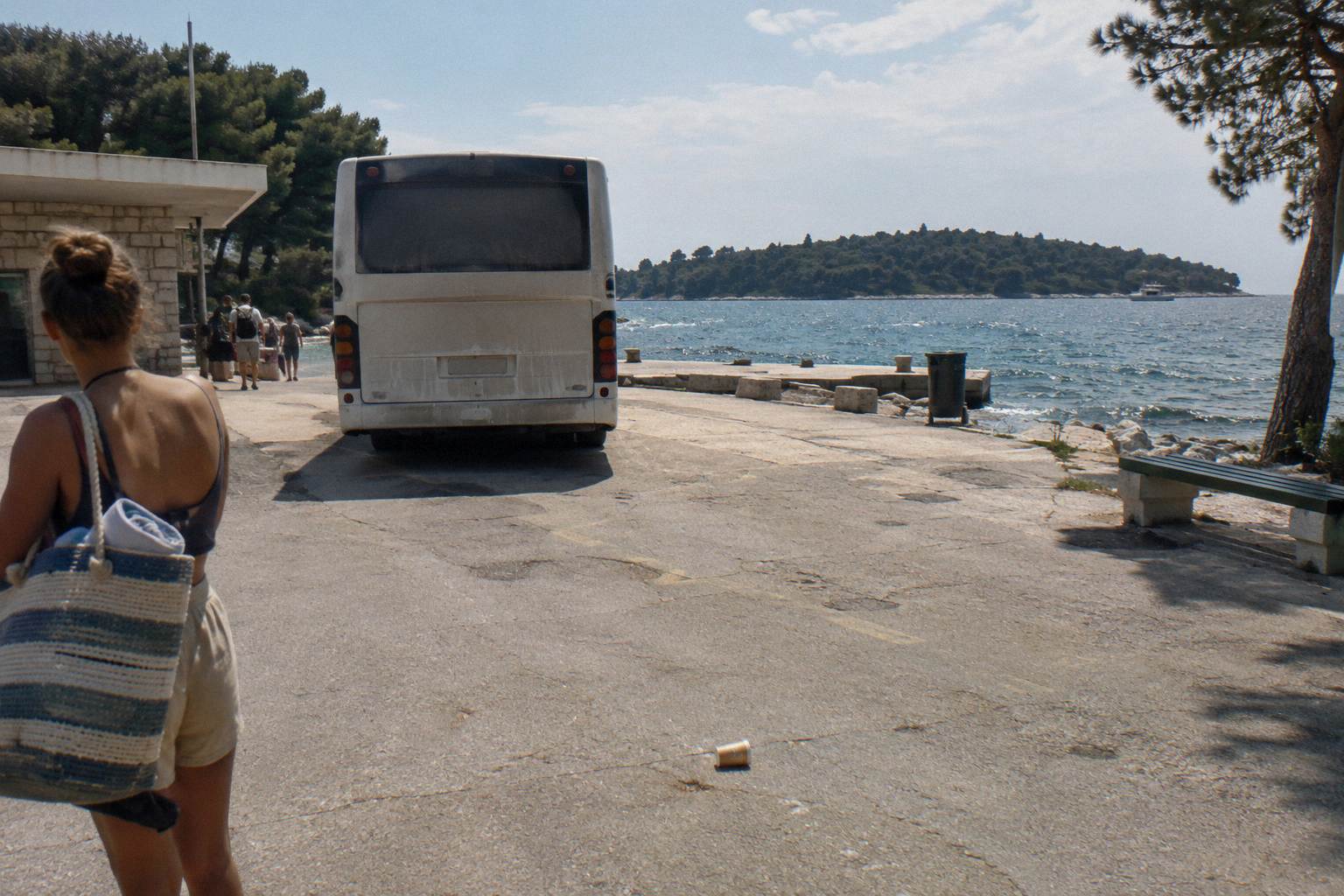
For anyone staying inland, these are the only two ways to stand among the animals without arranging transport independently. The Zagreb trip collects from your hotel, drives to the coast by air-conditioned vehicle, crosses to the island by boat and hands you over to a guide inside the park, with either a walking tour or the panoramic train covering the island. Entrance tickets are in the price; food and drinks are not. Twelve hours is a long day, and the island portion is the heart of it, so the Safari Park visit comes wrapped in several hours of coach time each way. The full itinerary and what the price covers are on the Zagreb day trip to Brijuni with tickets page; the trip carries free cancellation up to 24 hours before the start.
The Rijeka day tour runs 11 hours by air-conditioned vehicle and lists the tourist train, the Roman villa in Verige Bay, the Safari Park and St. German's church as its stops on the island. The entrance ticket is excluded, which means it is bought separately on the day, a detail worth counting into the budget. No price figure appears here; check the booking page for the price. Rijeka sits closer to Istria than Zagreb, so the driving hours are shorter even though the listed duration is only an hour less.
Which of the two makes sense depends on the base and the appetite for a long day. Travellers already sleeping in Pula or Rovinj are better served by the Fažana trips below, since Pula to Fažana is only roughly 8 to 10 km by road and a city bus links the Pula bus station with Fažana in about 25 to 30 minutes; the routes are covered in getting from Pula to Fažana for a Brijuni tour.
Boat And Island Train Combo: The Train Without The Kayak
This is the trip for visitors who want the classic island sequence, boat around the archipelago, train across it, without a paddle in hand. The boat tour circles all 14 islands with guided narration, the guide covers the history and nature of the park, and the train ride on Veliki Brijun is the same railway the park uses to carry visitors from the harbour towards the Safari Park at the north end. Because the park ticket is bought on the island, keep a little extra budget for it and for the Sv. Jerolim swim ticket if you plan to bathe at the islet, where swimming and snorkelling are part of the stop.
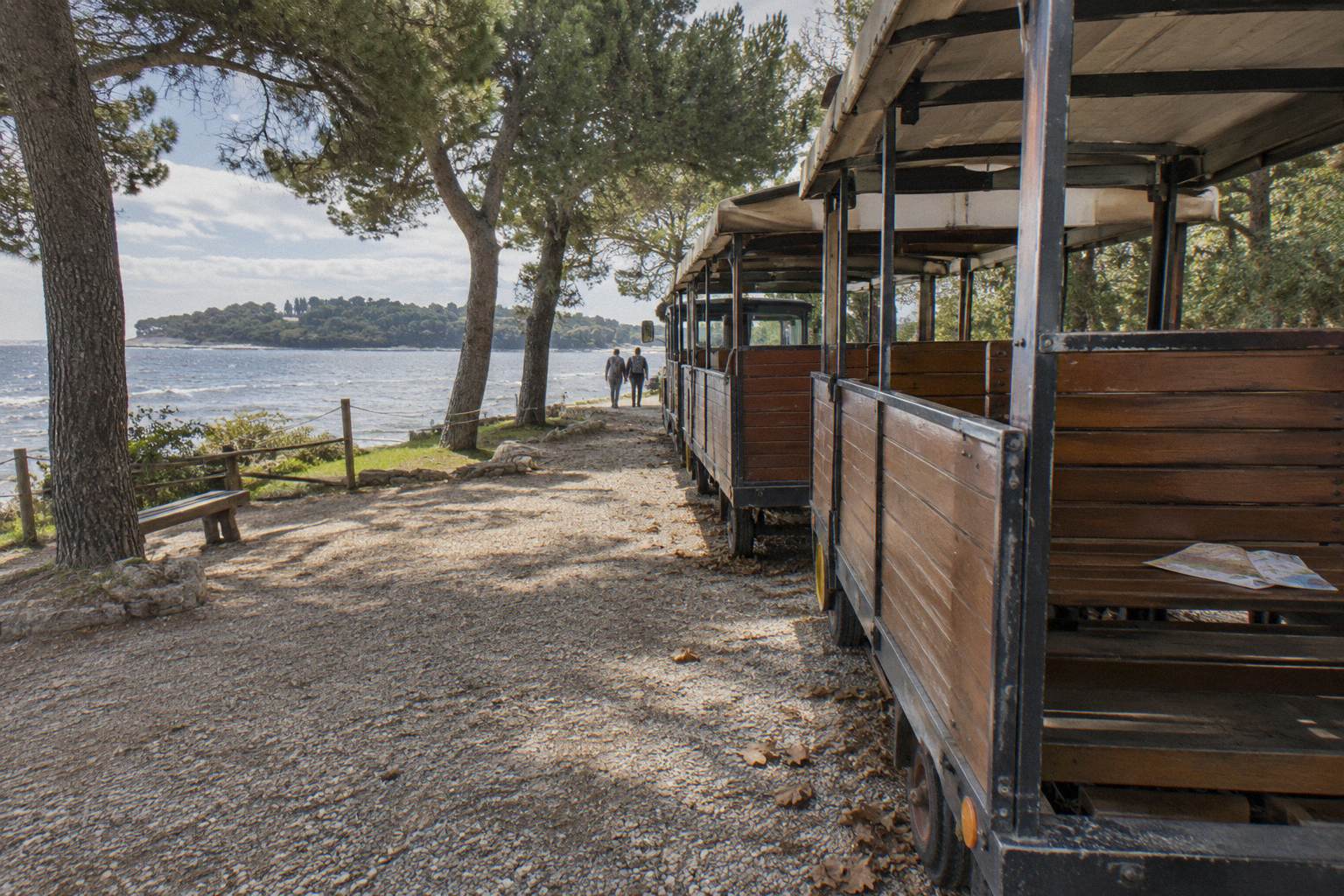
The duration range of 4 to 6 hours reflects the two-part structure: the cruise and the island time. Free cancellation applies up to 24 hours before the start. The trip also carries a light touch that families notice, a free tombola or quiz with prizes on board, and a bottle of water per guest. What it does not do is include the park entry, so unlike the kayak trip above, the Safari Park access here depends on buying the island ticket on arrival. How that ticket works is covered in the guide linked above; the key point for this comparison is simply that the two Fažana landing trips handle it in opposite ways, one bundled, one separate.
| What the trip includes | Detail |
|---|---|
| Boat tour | All 14 islands with guided narration |
| Island transport | Scenic tourist train on Veliki Brijun |
| Guide | Professional guide covering park history and nature |
| On board | Bottle of water (0.5 l), air-conditioned vehicle, free tombola or quiz with prizes |
| Bought separately | Park ticket and the Sv. Jerolim swim ticket, both on the island |
What You See Inside The Park
Inside the Safari Park expect llamas, zebras, zebu, ostriches and peacocks among around 80 herbivores, mainly from Africa and Asia, an ethno park of Istrian sheep, donkeys and goats, and Lanka the Indian elephant, who arrived in 1972 as a gift from Indira Gandhi. Feeding the animals is prohibited throughout the park, and the enclosure is about 9 hectares at the island's north end.
A walk through the enclosure moves between two moods. The larger paddocks hold the exotic residents: zebras in small groups, the zebu cattle that gave the park its Indian connection, llamas that wander close to the paths, and ostriches and peacocks that range freely and often approach visitors, which is exactly why the feeding ban exists and why wardens repeat it. The park's own excursion page describes the train ride passing the golf course, the castle and the early 20th century utility buildings of the Kupelwieser period on the way north, with Mali Brijun and Fort Brioni Minor visible across the water.
The ethno park is the quieter half and often the half that children remember. Istrian sheep, donkeys and goats are kept there in a setting that recalls how the islands were farmed before they became a presidential retreat and then a national park. There is also a seasonal conservation note from the park: sea turtles recovering from injury are looked after in the warmer months in cooperation with the Marine Educational Center in Pula.
| Area | Residents | Origin |
|---|---|---|
| Main paddocks | Zebras, zebu, llamas | Africa and Asia |
| Free-roaming | Ostriches, peacocks | Africa and Asia |
| Star resident | Lanka, Indian elephant | India, gift of Indira Gandhi, 1972 |
| Ethno park | Istrian sheep, donkeys, goats | Native breeds |
| Seasonal | Rescued sea turtles (warmer months) | Cared for with the Pula Marine Educational Center |
Rules That Shape The Day On Veliki Brijun
The park's code of conduct allows bathing only at the marked areas, prohibits feeding or disturbing the animals, fishing without special permission, collecting marine organisms, camp fires, outdoor smoking and camping without permission, and empowers wardens to check tickets and identity documents; dogs are allowed on a leash but not in the train, museums or Safari Park.
These rules come straight from the park's code of conduct and they apply to every visitor, whether they arrived on a booked trip or on the park's own boat. For a Safari Park visit the relevant ones are the feeding ban, which protects animals that will readily approach anyone holding food, and the leash rule for dogs, which allows them on the island generally but bars them from the train, the museums and the Safari Park itself, with a dog ticket charged at entry.
The marked-bathing rule catches out visitors who assume the whole coastline is open. It is not. Swimming inside the park is limited to the marked bathing areas; the popular swim stops on Sv. Jerolim sit on a separate islet with its own arrangements, and the swim on the All-Inclusive Lunch cruise happens at the Fažana waterfront, outside the park entirely. Scuba diving is allowed only through guided groups of certified diving centres from Fažana and Pula at three named sites. None of this affects the animals directly, but a day built around the Safari Park often ends with a swim, and the rules decide where that swim can legally happen.
Pairing The Safari Park With The Rest Of Veliki Brijun
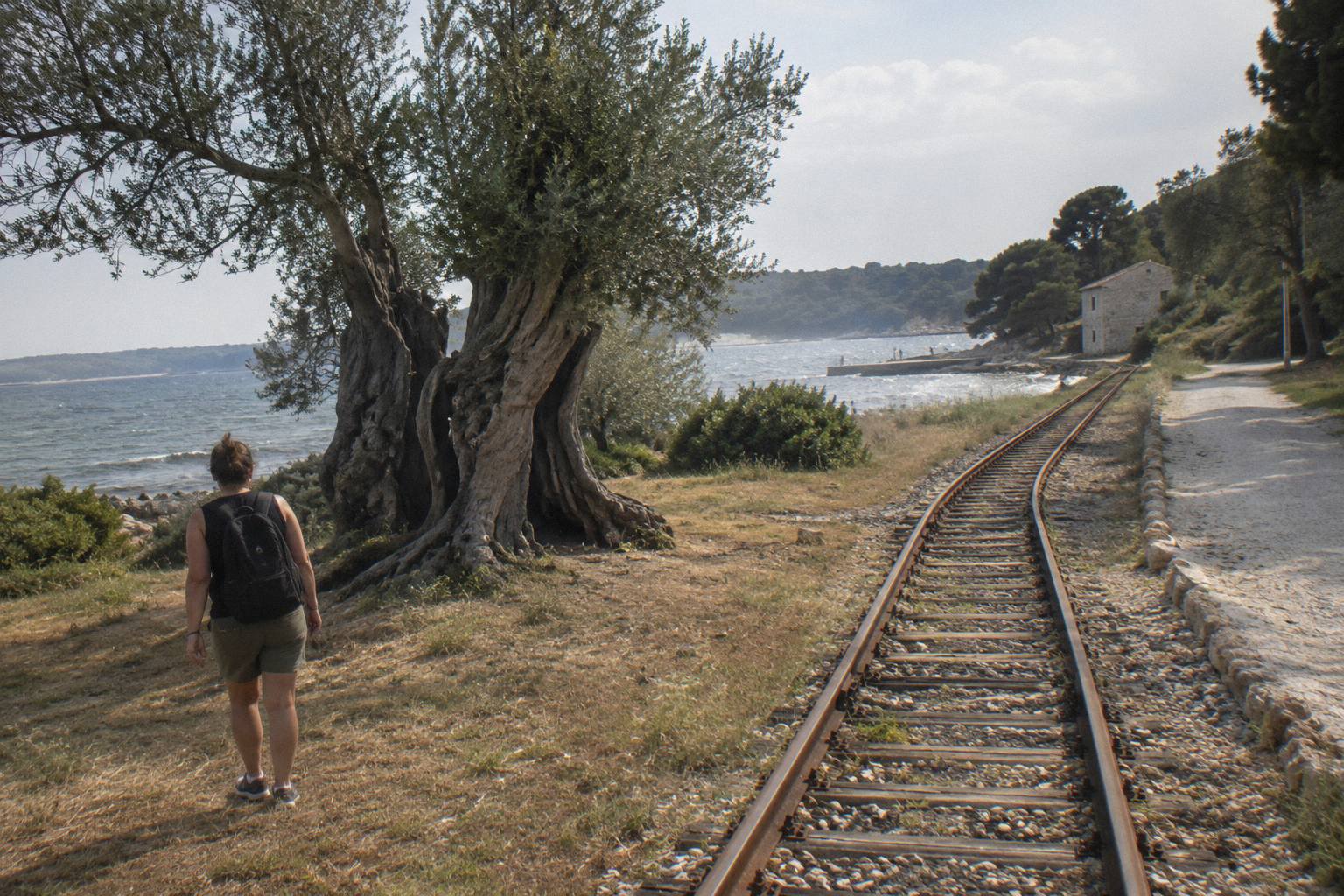
Veliki Brijun rewards the rest of a landing day with the Roman villa rustica in Verige Bay, begun in the 1st century BC, more than 200 dinosaur footprints believed made 130 to 100 million years ago, a 1,600-year-old olive tree that still bears fruit, and St. German's church from 1481; the Safari Park is one stop among several, all on the same island.
The dinosaur footprints are the surprise for most visitors. More than 200 prints have been found at four sites across the archipelago, on Veliki Brijun, Vanga, Galija and Vrsar, and a three-toed print in a limestone block is visible right where visitors step off the boat at Veliki Brijun port, before the day has properly begun. The Roman villa in Verige Bay is the other heavyweight: building began in the 1st century BC, its greatest splendour came in the 1st century AD, and parts stayed in use until the 6th century; it stands on the Roman Emperors Route certified by the Council of Europe. The Rijeka day tour names Verige Bay and St. German's church on its itinerary, so on that trip the pairing is made for you. The full archaeology is gathered in the Roman villa, dinosaur footprints and olive tree on a Brijuni tour.
| Sight on Veliki Brijun | Age or scale | Where you meet it |
|---|---|---|
| Roman villa rustica, Verige Bay | Begun 1st century BC, in use to 6th century AD | West side of the island |
| Dinosaur footprints | More than 200 prints, 130 to 100 million years old | Limestone block by the port, plus Cape Ploce and Cape Vrbanj |
| Old olive tree | About 1,600 years old, still bears fruit | Inland on the island |
| St. German's church | Built 1481 | Island walk, holds fresco copies and Glagolitic inscriptions |
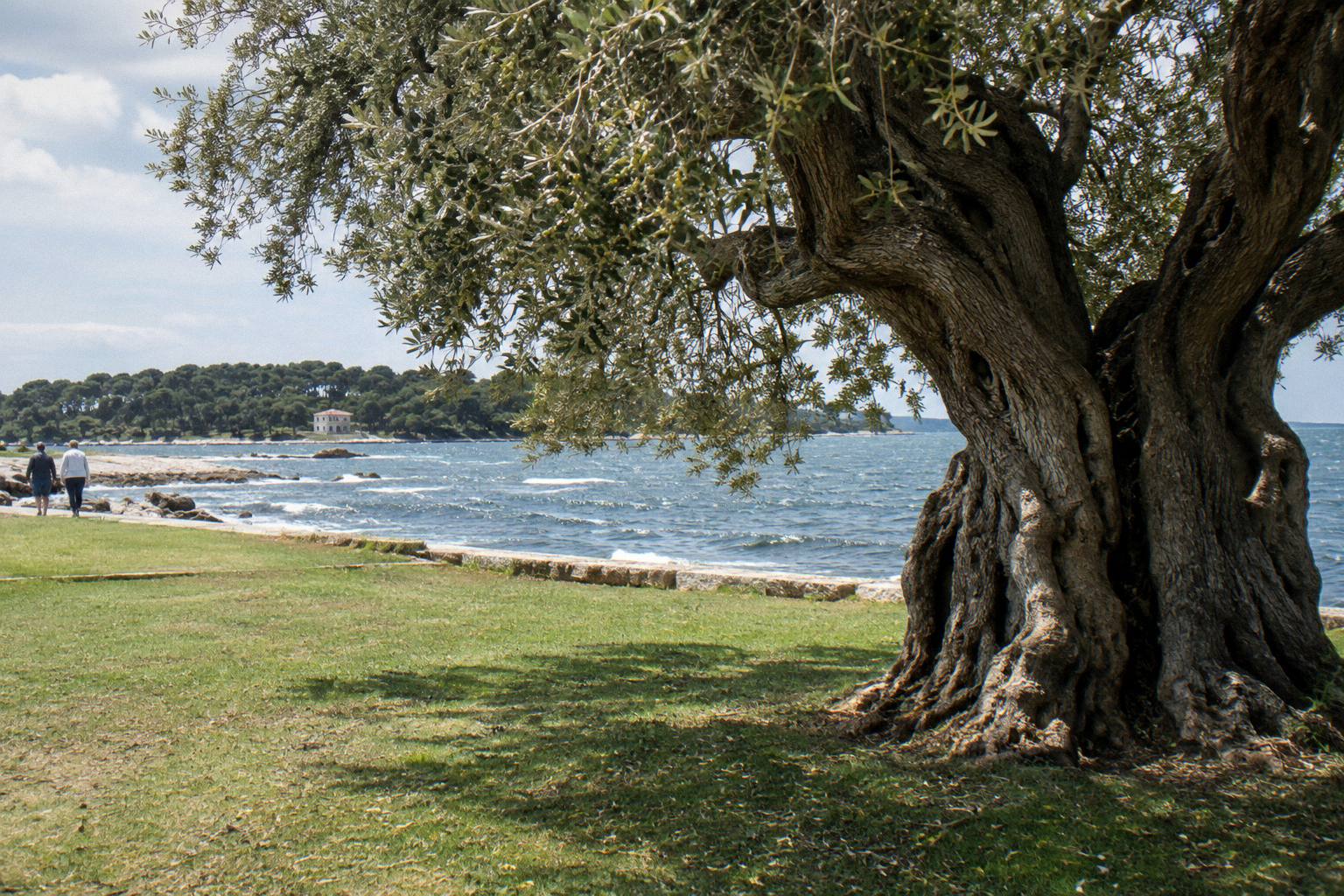
Independent explorers, including anyone on the kayak trip with its full-day ticket, can link these stops themselves. The old olive tree, about 1,600 years old by radiocarbon dating and split in a storm in the 1970s, still produces olives, and St. German's church from 1481 holds copies of frescoes and Glagolitic inscriptions. All of it sits on an island whose port is a 15-minute boat ride from Fažana, and individual visitors can return to Fažana on any park boat. How the various ways of filling a day on the island stack up, by train, by bike or on foot, is compared in Veliki Brijun by train, bike or on foot.
The practical takeaway is simple. Choose a landing trip, any of the four, and the Safari Park is yours for the price of the island ticket; choose a cruise and the closest you will get to the zebras is a viewpoint from the deck. Whether that difference justifies the extra cost and hours is the question taken up in whether a Brijuni boat tour is worth it, and the wider trade-offs between landing and circling are set out in whether Brijuni boat trips land on the islands.
Common Questions About The Brijuni Safari Park
Can You Visit The Safari Park On A Cruise From Pula?
No. The sunset, dolphin and swim cruises from Pula stay on the water or stop at Sv. Jerolim, which has no animals. Only the four landing trips go ashore on Veliki Brijun, and the park's own excursion from Fažana includes the Safari Park.
How Far Is The Safari Park From The Brijuni Port?
The park puts it at just over 3 km from the port of Veliki Brijun, at the north end of the island. The park's excursion covers the distance with a one-hour tourist train ride; independent visitors walk, cycle or rent an electric car.
What Animals Live In The Brijuni Safari Park?
Around 80 herbivores, mainly from Africa and Asia, plus native species: llamas, zebras, zebu, ostriches and peacocks, an ethno park with Istrian sheep, donkeys and goats, and Lanka the Indian elephant, resident since 1972.
Is The Park Ticket Included In Landing Trips?
It depends on the trip. The kayak trip from Fažana and the Zagreb day trip include it. The Boat And Island Train Combo and the Rijeka day tour exclude it, so it is bought separately.
Can Children Visit The Safari Park?
Yes, families make up much of the park's visitors, and the park's own excursion admits children up to 7 free. The train, the quiz on the combo trip and the ethno park animals are the usual highlights for younger visitors.
Can You Feed The Animals On Brijuni?
No. Feeding animals is prohibited throughout the national park, and wardens may ask to see tickets and identity documents anywhere on the island.